Affordable Gutter Cleaning Nanaimo for Residential Properties
Effective Roof Moss Elimination: Bring Back Your Roof's Structural Soundness and Longevity
Effective elimination of roof moss is vital for maintaining the wholeness and extended life of a home. Moss can hold moisture, triggering potential damage to roof elements and expensive restoration. Property dwellers should be knowledgeable about signs indicating a moss problem and understand the various procedures available for safe removal. However, the dilemma stands: what are the best practices for confirming the roofing system remains moss-free in the long term? Exploring these plans is essential for effective home maintenance.
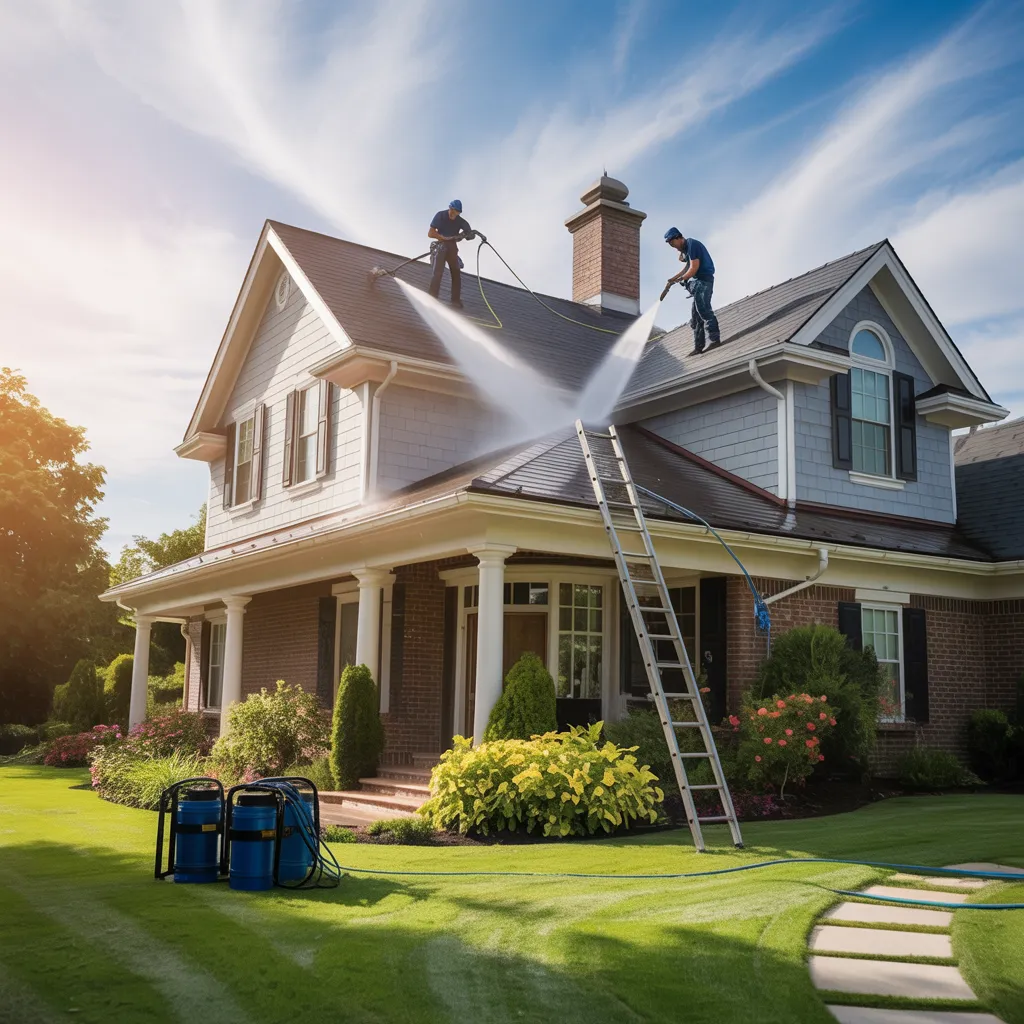
Grasping the Perils of Moss on Your Roof
Moss growing on a roof can lead to significant dangers to a home's integrity. It thrives in damp, shaded environments, resulting in moisture retention that may degrade roofing materials over time. As moss spreads, it can dislodge shingles, creating gaps that permit water entry. This often leads to water intrusion, potentially causing widespread damage to ceilings, walls, and insulation. Moreover, moss presence can stimulate the appearance of other harmful organisms, like mold and algae, which further damage the roof's structure. The weight of accumulated moss may also overload the roofing system, especially in areas prone to heavy rainfall. Homeowners could incur greater repair expenses and decreased property value if the moss problem is left untreated. In the end, understanding these hazards is vital for maintaining a safe and sound home environment and ensuring the roofing system's longevity.
Symptoms of a Moss Problem
A burgeoning patch of green on a roof can often denote a moss problem. Owners should be cautious about the occurrence of moss, as it can indicate underlying troubles affecting their roof's strength. Moss thrives in damp, obscured locations, commonly found on rooftops with poor water runoff or overhanging trees. If moss is apparent, it may be accompanied by other signs, such as dark streaks or discoloration on shingles, which can propose moisture retention and degradation of roofing materials.
Additionally, property owners should watch for increased granule shedding from shingles, as moss can trap water, causing accelerated wear. Curled or lifted shingles may also suggest that moss has damaged the roof's structure. Regular inspection, especially following heavy rainfall, can help detect these problems early. Recognizing these signs is essential for preserving a roof's longevity and preventing expensive restoration.
A Step-by-Step Handbook to Getting Rid of Moss
Eliminating moss from a roof demands meticulous preparation and implementation to protect the roofing materials while ensuring a thorough clean. First, the individual should collect necessary supplies, including a soft-bristle brush, ladder, and safety gear. Before starting, it is essential to evaluate the roof's condition and locate areas heavily affected by moss.
Next, the individual should secure the ladder securely, ensuring stability. Starting from the peak, they can carefully brush away moss, working downwards to prevent debris from damaging lower sections. For stubborn patches, a combination of water and gentle soap may be applied, allowing it to soak for a few minutes before scrubbing.
Once extraction is complete, flushing the roof with a garden hose is vital to get rid of any remaining moss and cleaning solution. Finally, the individual should review the roof and surrounding areas for any debris, ensuring a clean finish that enhances long-term roof health.
When would you choose Chemical Moss Removal Solutions?
While plenty of homeowners gravitate toward organic approaches for moss removal, there are cases when chemical solutions become necessary. When moss proliferation is extensive and deeply rooted, chemical treatments can successfully reach and eliminate the concern more efficiently than hands-on methods. This is certainly true for structures with sharp pitches or inaccessible locations where conventional techniques may pose safety risks.
Additionally, chemical treatments are beneficial in situations where quick outcomes are required, such as before listing a property or during scheduled maintenance. They can also be advantageous for roofs made from materials that are more sensitive of physical scrubbing, like asphalt shingles.
However, property owners should be careful, thoroughly reviewing labels to ascertain the chosen product is secure for their roof surface and the surrounding environment. Ultimately, moss elimination related article treatments should be viewed a method to enhance a broader upkeep plan, making sure the roof stays in optimal shape.
Efficient Plans to Stop Moss Regrowth
Chemical treatments can effectively tackle existing moss growths, but preventing regrowth is equally important for sustained roof maintenance. One proven strategy is to increase sunlight exposure. Trim overhanging branches to allow more sunlight to reach the roof, as moss thrives in shady environments. Additionally, ensuring proper roof airflow can reduce moisture levels, making the surface less hospitable to moss growth.
Regular cleaning also is vital. Gently removing debris such as leaves and dirt helps prevent moisture accumulation. Installing zinc or copper strips along the roof ridges can reduce moss growth, as the metal ions wash down during rain. Proper drainage is critical; clogged gutters can lead to water pooling, forming an ideal environment for moss. Finally, routine inspections can help identify early signs of moss and allow for prompt action, preserving the roof's integrity and prolonging its lifespan.
Do You Require to Contract a Specialist for Roof Cleaning?
Is hiring an expert for roof cleaning truly a sound investment? This concern often arises for residents contending with buildup of moss and debris. While self-service approaches may seem affordable, the dangers of roof cleaning can be major. Experts possess the proper equipment, experience, and safety protocols to execute the task productively, decreasing the chance of roof deterioration or harm to you.
Additionally, experts can detect hidden issues that may not be noticeable to the untrained observer, such as building damage or probable water damage. This quick identification can shield homeowners from high-cost maintenance down the line. Engaging a professional also confirms that the cleaning is done using correct methods and environmentally safe products, which can extend the roof's lifespan. Ultimately, committing to professional roof cleaning can provide peace of mind and preserve the structural integrity of the home, making it a smart choice for many homeowners.
Year-Round Roof Upkeep Guidelines
Consistently upkeeping a roof structure throughout the year is key for preserving its integrity and extending its lifespan. Regular inspections should be scheduled at least twice a year, ideally in spring months and autumn months, to find potential issues such as damaged shingles or debris collection. Clearing gutters and downspouts of leaves and dirt prevents water backup, reducing the risk of leaks and mold growth.
Winter demands property owners to inspect ice dams, which can produce considerable damage. Adding proper insulation and ventilation works to reduce this risk. When it's hot outside, applying moss or algae treatment can suppress growth and maintain aesthetics.
Additionally, cutting back protruding limbs reduces shade and moisture retention, discouraging moss development. Finally, monitoring the roof's flashing and seals guarantees that any required fixes are made promptly, safeguarding the roof's general condition and performance. By following these tips, property owners can effectively protect their roofs year-round.

Regularly Posed Questions
Does Moss Impact Your Home's Thermal Performance?
Yes, moss can harm a home's power performance. It captures water, causing possible structural deterioration and increased heat loss. As a result, homeowners may encounter increased utility costs and reduced overall comfort within their homes.
Which Gear Are Indispensable for Moss Eradication?
Vital implements for moss removal comprise a roof rake, a stiff-bristle brush, a pressure washer, safety goggles, and a harness. These items enable efficient and secure elimination, aiding in maintaining the roof's durability and performance.
How Routine Should My Roof Examinations for Moss Be?
Regular roof checks for moss should occur at least twice a year, ideally in spring and fall. This proactive approach helps identify growth early, avoiding potential damage and preserving the roof's overall condition and longevity.
Can I Safely Pressure Wash My Roof Without Risk?
Pressure washing a roof can be dangerous, potentially hurting shingles and removing granules. Professionals often suggest alternative cleaning methods to preserve the roof's condition while effectively tackling moss and debris accumulation for long-term maintenance.
What Are the Best Weather Conditions for Removing Moss?
Optimal climate for moss removal includes mild and dry days featuring temperature ranges between 50°F and 80°F. Avoid rainy or extremely warm weather, since water can impair effectiveness and intense heat may harm roofing surfaces.